

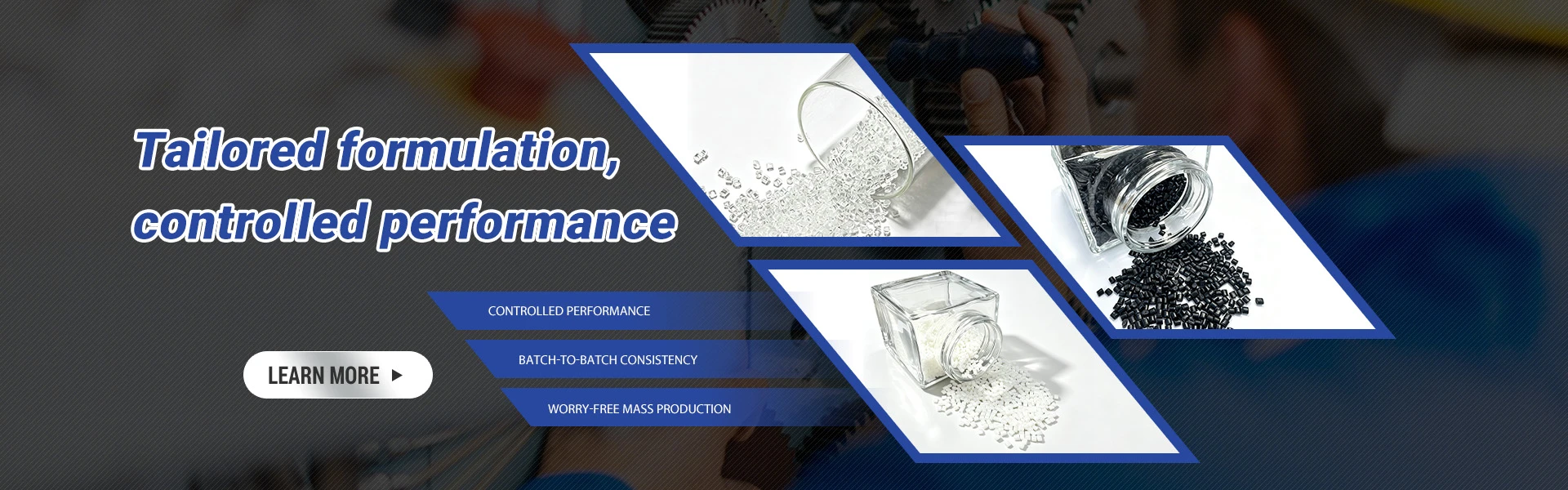
Removing surface dust from polypropylene (PP) granules after mixing primarily involves physical methods such as air separation, washing, and electrostatic separation; the key lies in selecting a solution that aligns with the production scale and technical budget.
1. Rapid Dust Removal Methods
(1) Air Separation
A vibrating screen paired with a blower is used to exploit the density difference between PP granules and dust, blowing away the lighter dust particles with an airflow. This is the most common and cost-effective method, suitable for general surface dust.
(2) Static Elimination
Since mixing friction often generates static electricity that attracts dust, an ionizing air bar can be installed at the discharge outlet to neutralize static charges on the granule surface, allowing dust to detach naturally for collection by a dust extraction system.
2. Deep Cleaning Solutions
(1) Washing and Drying
For firmly adhered dust, granules can be tumble-washed with clean water or a neutral detergent, followed by hot-air drying at 80–100°C to ensure a moisture content below 0.2% (Note: this is a standard moisture requirement for plastic processing based on 2023 data) and prevent bubble formation during subsequent processing.
Caution: Incomplete drying after washing can lead to oxidative yellowing and material degradation.
(2) Alcohol Wiping
For laboratory settings or small-batch processing, granule surfaces can be quickly wiped with a lint-free cloth dampened with anhydrous ethanol; alcohol evaporates rapidly without leaving residue. However, this method is costly and inefficient, making it unsuitable for large-scale production.
3. Professional Dust Removal Equipment
(1) Specialized Washing Lines
Large-scale production facilities can utilize integrated plastic granule washing and dewatering systems. These systems typically include modules for pre-washing, rinsing, high-speed centrifugal dewatering, and recirculating hot-air drying, with processing capacities ranging from 500 to 2,000 kg per hour (based on common industry equipment specifications from 2024).
(2) Vacuum Conveying Systems
As material is transported via vacuum pipelines to the mixer or hopper, cyclone separators and bag filters are used to directly separate and collect dust, enabling dust-free feeding and maintaining cleanliness.
4. Preventing Dust Accumulation
Addressing the root cause requires optimizing the storage and material-feeding environments:
- Store raw materials in clean, moisture-proof, sealed containers; avoid outdoor stacking.
- Install simple dust hoods or filter screens at the mixer inlet to prevent external dust from entering.
- Keep the production workshop floor clean and appropriately increase air humidity to reduce airborne dust.