

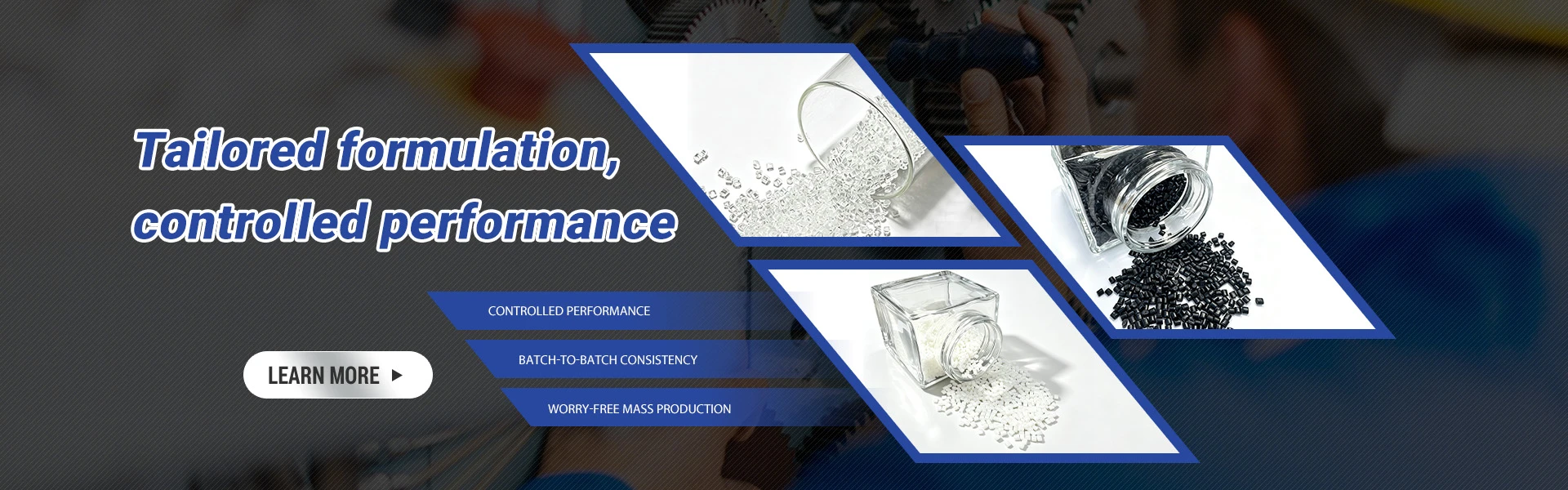
In modern industrial production, flame-retardant ABS masterbatch is a critical material; its safety and performance directly impact product quality and operational safety. Understanding the relevant testing standards is essential to ensure that flame-retardant ABS masterbatch meets market requirements. Today, we will discuss these standards in detail to help you better understand and utilize this material.
Testing standards for flame-retardant ABS masterbatch focus on several key performance indicators. First is flame retardancy, a core characteristic. Relevant standards define common flame-retardant ratings such as V-0, V-1, and V-2, each with distinct testing requirements. For instance, the V-0 rating requires the material to self-extinguish within 10 seconds after ignition and prohibits the dripping of burning particles that could ignite underlying absorbent cotton. During testing, samples are subjected to specific combustion apparatuses, and data-such as burn time and dripping behavior-are recorded to determine if the material meets the required rating.
In addition to flame retardancy, mechanical properties are a crucial testing category. While ABS inherently possesses good mechanical properties, the addition of flame retardants can alter metrics such as tensile strength and impact strength. Testing standards specify acceptable ranges for these properties to ensure the material can withstand external forces during actual use. For example, tensile strength must meet a specific value, while impact strength must satisfy resistance requirements at specific temperatures. Equipment such as universal testing machines is used to perform tensile and impact tests, yielding accurate performance data.
Environmental performance is another factor that cannot be overlooked. With rising environmental awareness, strict limits are placed on indicators such as heavy metal content and VOC emissions in flame-retardant ABS masterbatch. Relevant standards clearly define the maximum permissible levels of these hazardous substances to safeguard environmental safety and human health during production and use. Quantitative analysis of hazardous substances in samples is conducted using chemical analysis methods, such as atomic absorption spectroscopy and gas chromatography.
Having understood the testing standards, how should one select and use flame-retardant ABS masterbatch in practical applications? The first step is to determine the required flame-retardant rating and other performance specifications based on specific product needs and the intended operating environment. For example, electronic device housings may require a higher flame-retardant rating, whereas toys might prioritize environmental safety standards. Secondly, it is essential to select a reputable manufacturer and review their product test reports to ensure compliance with relevant standards. During processing, attention should be paid to parameters such as the addition ratio of the masterbatch and processing temperatures, as these factors directly influence the performance of the final product.
In summary, understanding the testing standards for flame-retardant ABS masterbatch is crucial for ensuring product quality and enhancing production efficiency. We hope this information helps you gain a better understanding of this material and make more informed choices in practical applications.