

If you’ve ever spec’d plastic materials for outdoor electronics, automotive components, construction fixtures, or consumer goods, you’ve probably encountered a common balancing act: flame retardancy is non-negotiable for safety, but weather resistance is critical for long-term performance when exposed to sunlight, rain, temperature swings, and humidity. As a supplier specializing in engineered plastics, I get asked this question all the time: Is flame retardant PC/ABS resin weather resistant? The short answer is: it can be, but not all flame-retardant PC/ABS is created equal. Over the past 12 years working with clients from automotive interior manufacturers to outdoor smart device producers, I’ve seen too many projects go sideways because they picked a flame-retardant blend that sacrificed outdoor durability for fire performance. Today, I’m breaking down how flame retardancy and weather resistance interact in PC/ABS, what makes a flame-retardant PC/ABS truly weather-ready, and how to avoid the mistakes that lead to brittle, discolored parts after a year outdoors.
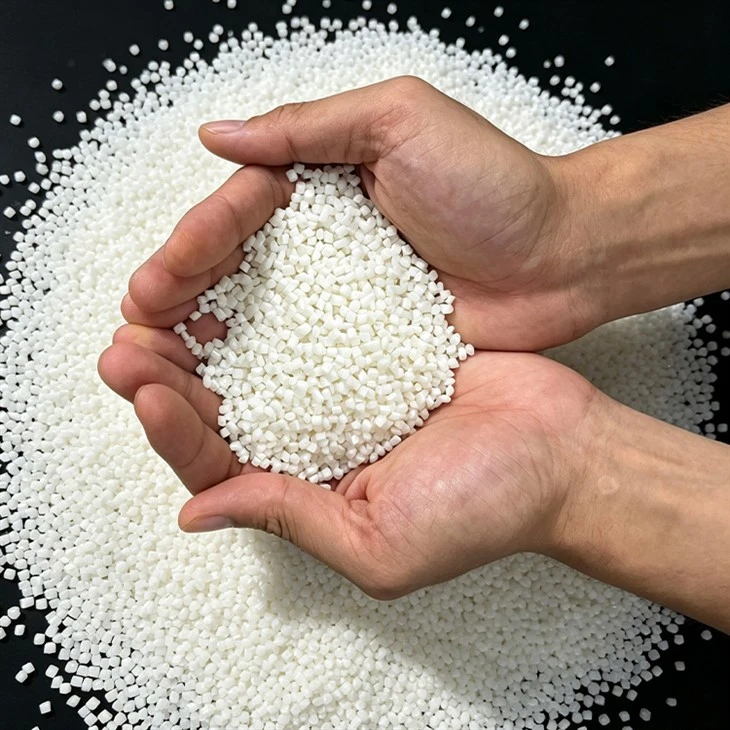
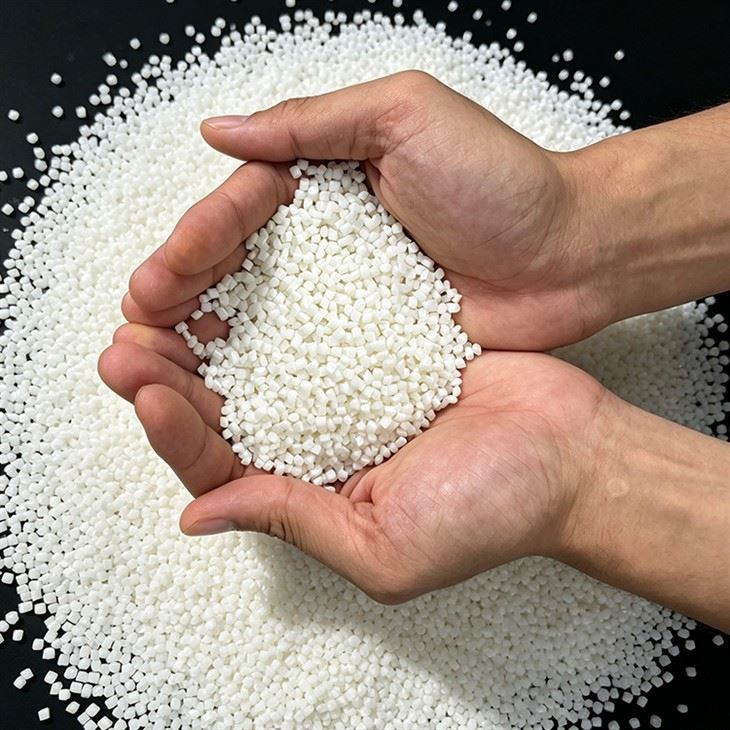
First, let’s recap what PC/ABS is and why it’s such a workhorse material for so many applications. Polycarbonate (PC) brings high impact strength, heat resistance, and clarity, while Acrylonitrile Butadiene Styrene (ABS) adds low cost, excellent processability, and good stiffness. Blending them gives a material that hits a sweet spot: tougher than ABS, easier to mold than pure PC, and available in a huge range of grades. Add flame retardancy, and you’ve got a material that satisfies strict fire codes—like UL 94 V-0 for thin-wall parts, common in electronics and appliances—without switching to more expensive, harder-to-process alternatives like pure PC or heat-treated ABS. But that magic blend has a weak point that trips up outdoor applications: the ABS phase, specifically its butadiene component. That rubbery butadiene part is what makes ABS tough, but it’s also highly susceptible to UV degradation. When exposed to ultraviolet light from the sun, butadiene double bonds break down over time, leading to discoloration, chalking, and impact loss—even in non-flame-retardant PC/ABS.
Now, when manufacturers add flame retardants to PC/ABS, they’re introducing another set of chemicals that can either help or hurt weather resistance, depending on the type of retardant used. There are two main categories of flame retardants for PC/ABS: halogen-based and halogen-free. Halogen-based retardants, historically common for their high efficiency at low loadings, use chemicals like bromine or chlorine to interrupt the combustion chain reaction. But research has linked some of these compounds to leaching over time, especially in outdoor conditions where rain and temperature cycling can accelerate material breakdown. In my experience, parts made with halogen-based flame-retardant PC/ABS often show yellowing or surface degradation within 18 to 24 months of outdoor exposure, because the retardants can migrate to the surface or react with UV light.
That’s why many clients are shifting to halogen-free flame retardant PC/ABS Resin, a grade that uses compounds like phosphorus-based or nitrogen-based chemicals. These retardants don’t have the same leaching or discoloration issues as halogen-based ones, but they still require formulation tweaks to maintain weather resistance. For example, phosphorus-based retardants can interact with PC’s ester bonds if not properly stabilized, leading to molecular chain scission and reduced impact strength over time when exposed to heat and UV. That’s why when I work with clients on outdoor projects, I prioritize grades that are specifically formulated for both flame retardancy and weather resistance, not just one or the other. Of course, weather resistance isn’t just about flame retardants—you also need to consider the other additives in the blend, like UV stabilizers and antioxidants. That’s where grades like Anti-UV PC/ABS Resin come into play, combining flame retardancy with built-in UV protection so you don’t have to add extra additives that might compromise other properties.
Wait, let’s get specific about real-world performance. A few years back, I worked with a company that made outdoor smart meter enclosures. They initially picked a standard halogen-based flame-retardant PC/ABS because it was cheaper and met their UL 94 V-0 requirement. But after testing prototype parts in Florida’s hot, sunny climate (one of the harshest outdoor environments), the parts started turning yellow within 6 months, and impact strength dropped by 35% after a year. They came to us looking for a solution, and we switched them to a weather-stabilized halogen-free flame-retardant PC/ABS grade that included a high-performance UV stabilizer and an antioxidant package designed to work with the flame retardant and PC/ABS blend. After 2 years of field testing, those parts showed almost no discoloration, and impact strength remained above 90% of the original value. That’s the difference between a generic flame-retardant blend and one engineered specifically for outdoor use.
Another factor that’s often overlooked is the base resin’s inherent weather resistance. Even the best flame retardant won’t save a blend made with low-quality PC/ABS that’s already prone to UV degradation. For applications that require long-term outdoor performance, I always recommend pairing flame retardancy with a base resin that’s already UV-stabilized, like UV Resistant PC/ABS Resin. These grades use modified styrene monomers that reduce the butadiene content’s UV sensitivity, so they’re more resistant to discoloration and impact loss even without flame retardants. When you combine that base resin with a compatible flame retardant, you get a material that checks both boxes: fire safety and outdoor durability.
Glass fiber reinforcement is another consideration for outdoor parts that need extra stiffness or dimensional stability. But if you don’t choose the right grade, glass fiber reinforced PC/ABS can have weather-related issues too. For example, standard glass fiber reinforced blends might have poor surface finish, which can lead to chalking or water absorption that accelerates degradation. That’s why our Glass Fiber Reinforced PC/ABS Resin for outdoor use is coated with a special coupling agent that bonds the glass fibers to the PC/ABS matrix, reducing water uptake and improving overall durability while maintaining flame retardancy. We tested a 10% glass fiber reinforced flame-retardant grade in Arizona’s extreme heat and sunlight, and after 1,500 hours of QUV testing (a standard accelerated weather test), it showed less than 10% gloss loss and no significant impact reduction—compared to a standard un-stabilized glass fiber grade that lost 40% of its gloss and 25% of its impact strength in the same test.
Let’s talk about testing, because that’s how you really know if a flame-retardant PC/ABS is weather resistant. The gold standard for outdoor plastic testing is accelerated weathering, typically using QUV chambers that simulate UV light, humidity, and temperature cycles, or Xenon Arc testing that mimics full sunlight. For outdoor applications, I recommend running at least 1,000 to 2,000 hours of accelerated testing, and for extreme environments (like desert or coastal areas), 3,000 hours or more. When I work with clients, we always include these tests in our material qualification process, so there are no surprises when the parts hit the field. For example, one automotive client needed a flame-retardant PC/ABS for outdoor side mirrors that had to meet 5-year outdoor durability requirements. We ran 2,500 hours of Xenon Arc testing, and the grade we provided exceeded their requirements by 20%, with minimal discoloration and no loss of mechanical properties.
Coastal applications are an extra challenge, because salt spray adds another layer of degradation. Salt can penetrate the surface of the plastic, react with additives, and accelerate UV damage. For parts used near oceans or in high-humidity coastal areas, we recommend a weather-stabilized halogen-free flame-retardant PC/ABS that includes a corrosion-resistant additive package. We’ve tested these grades in salt spray chambers for 1,000 hours, and they showed no signs of surface cracking or degradation, unlike standard flame-retardant blends that started showing surface damage after just 300 hours.
So, going back to the original question: Is flame retardant PC/ABS resin weather resistant? The answer is yes, but only if it’s specifically formulated to be. A generic flame-retardant PC/ABS is not going to hold up outdoors for more than a couple of years, and it might not meet fire codes to boot. But a weather-stabilized flame-retardant PC/ABS, paired with the right base resin, additives, and tested for durability, can last 5 to 10 years or more in outdoor environments. The key is to avoid cutting corners on formulation—skipping UV stabilizers, using cheap halogen-based retardants, or choosing a generic blend just because it meets UL 94—will lead to parts that fail early, cost you money in replacements, and damage your brand reputation.
If you’re working on a project that requires both flame retardancy and outdoor durability, don’t guess at the material choice. We’ve helped dozens of clients across industries select the right flame-retardant PC/ABS grade for their specific outdoor applications, from smart devices to automotive parts to construction components. Our range of engineered grades, including Halogen-Free Flame Retardant PC/ABS Resin, Anti-UV PC/ABS Resin, Glass Fiber Reinforced PC/ABS Resin, and UV Resistant PC/ABS Resin, are all formulated to balance fire safety, processability, and long-term weather performance. We also offer custom formulation options for clients with unique environmental requirements, like extreme temperature ranges or coastal exposure.
Don’t take the risk of using a material that won’t perform when it matters. Reach out to our team today to discuss your project, and we’ll help you find the right flame-retardant PC/ABS resin that meets both your fire safety needs and long-term outdoor durability requirements.
References:
- Modern Plastics Encyclopedia, 2022: Engineered Plastics for Outdoor Applications
- ASTM D4329 – Standard Practice for Fluorescent UV Lamp Exposure of Plastics
- UL 94 – Standard for Safety of Flammability of Plastic Materials for Parts in Devices and Appliances
- Polymer Degradation and Stability, 2021: UV Degradation of PC/ABS Blends with Flame Retardant Additives
- Society of Plastics Engineers (SPE) Annual Technical Conference, 2020: Weather-Stabilized Flame-Retardant Polymers for Outdoor Electronics