

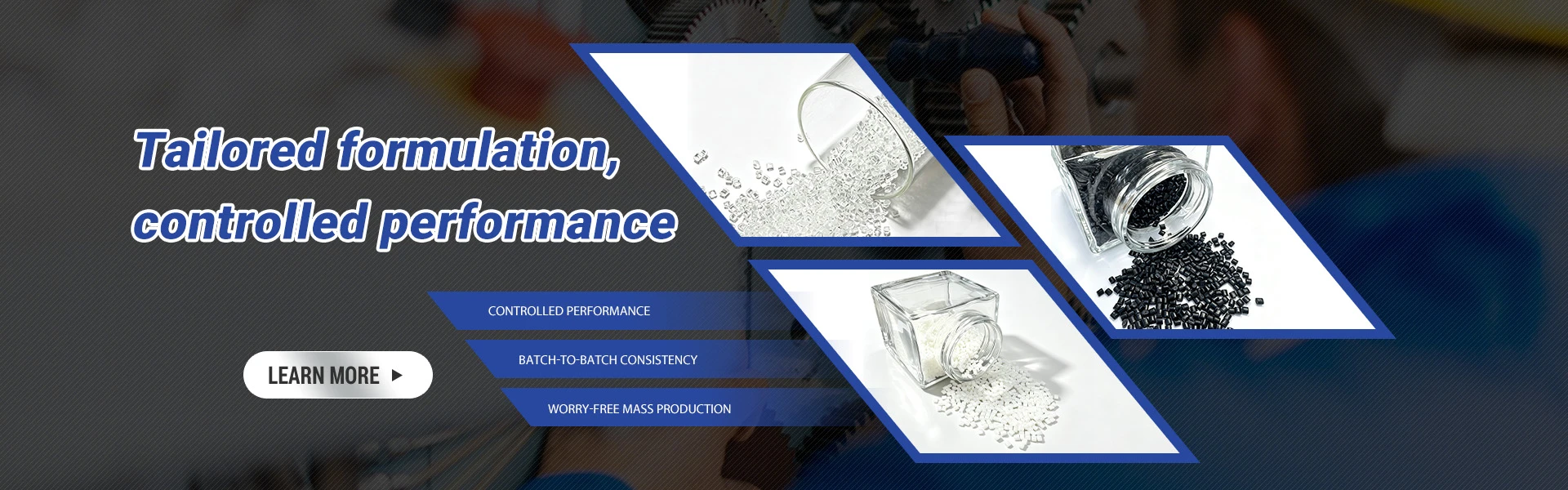
Polycarbonate (PC), also known as PC plastic, is a high-molecular-weight polymer containing carbonate groups in its molecular chain. Depending on the structure of the ester group, it can be classified into various types, such as aliphatic, aromatic, and aliphatic-aromatic. However, the mechanical properties of aliphatic and aliphatic-aromatic polycarbonates are relatively low, which limits their application as engineering plastics.
Many people may be unfamiliar with the procedures, documentation, and workflow for importing polycarbonate (granules). Below, the team at Kaisen Import Supply Chain provides a detailed overview of the essentials regarding polycarbonate (granule) import customs declarations.
I. Required Documentation and Information for Polycarbonate (Granule) Import Declaration
A: Composition and content
B: Packing list, contract, bill of lading, invoice, letter of authorization for inspection and declaration, and import-export operation rights
C: Customs clearance certificate for inbound goods, GTIN, and product name (in Chinese or a foreign language)
D: Letter of authorization for inspection and declaration, and record-filing numbers for the consignee and consignor
F: Appearance (shape, transparency, color, etc.), source of base material (recycled material, bottle flakes, virgin material, off-grade material), and model number
II. Overview of the Polycarbonate (Granule) Import Declaration Process
The general import declaration process includes: accepting the declaration → reviewing documents → handling tax assessment and payment → inspecting the goods → customs clearance and release.
III. Common Questions Regarding Polycarbonate (Granule) Imports
1. How long does the entire process of importing polycarbonate (granules) take?
2. Can an enterprise import polycarbonate (granules) if it does not possess import-export operation rights?
3. What are the import tariff and value-added tax (VAT) rates for polycarbonate (granules)?
4. What costs are incurred when importing polycarbonate (granules), and how are costs calculated?5. How can imported polycarbonate (granules) be picked up after arriving at the port (or airport)?
6. What are the common methods for importing polycarbonate (granules)?
7. Is it possible to benefit from tariff concessions?
8. Are there market access restrictions for importing polycarbonate (granules)? Which countries are on the approved list for polycarbonate (granule) imports?
9. What points should be noted when importing polycarbonate (granules)?
Related Reading
Polycarbonate is a tough thermoplastic resin; its name is derived from the functional groups within its molecular structure. It can be synthesized from bisphenol A and phosgene (COCl2). Currently, the melt transesterification method (synthesizing via transesterification and polycondensation of bisphenol A and diphenyl carbonate) is the most widely used process.